|
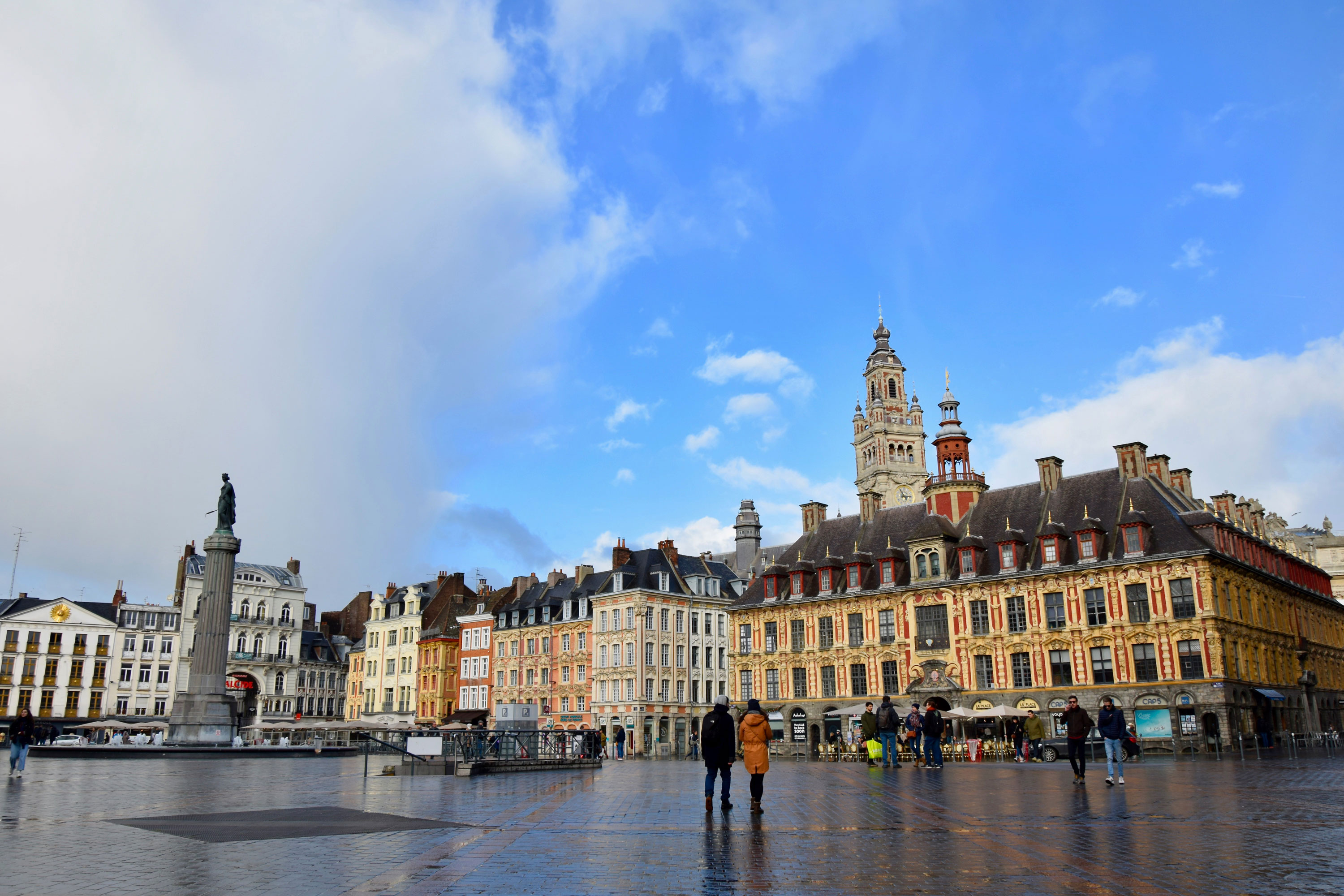
30-31 Mar 2026 Lille (France)
|
|
|
|
|
High-Throughput Catalysts Design symposium We are pleased to announce that the Book of Abstracts for the 2026 edition of the HTCD is now finalised and available to download at this address. Please feel free to take a look!
"At the HTCD, it is not so much the final catalysts and their performance that are important, but rather the type of tools that had to be developed, and how they were developed, in order to obtain these catalysts."
Following on from the successful HTCD2021 first edition, which brought together nearly 150 researchers from more than 20 countries around the world and featured more than 30 oral communications, we are inviting all members of the community involved in the high-throughput synthesis, characterization and testing of chemical and biological catalysts to meet up in Lille on 30 and 31 March for the HTCD2026.
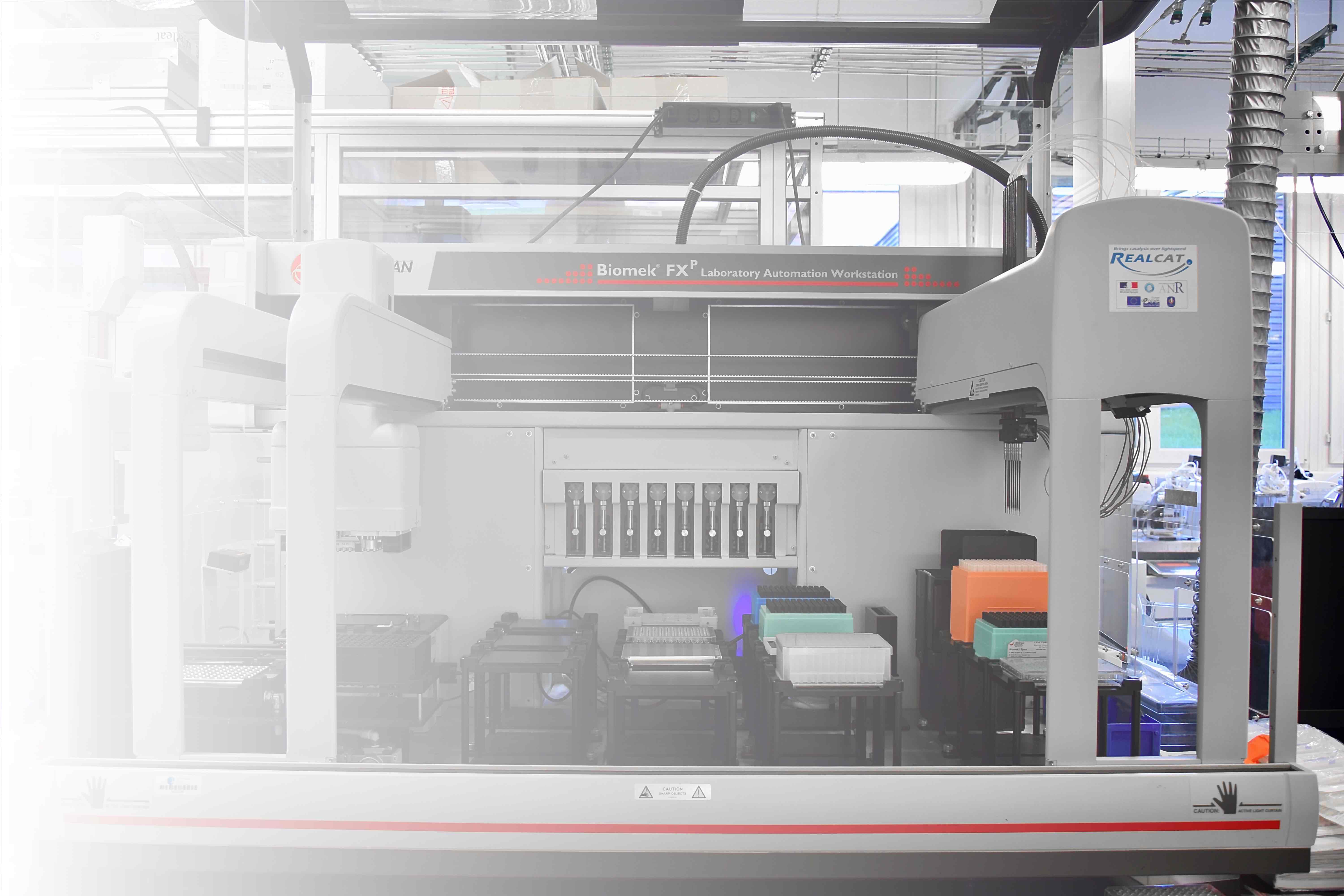
Like the previous edition, this 2026 edition of the High-Thoughput Catalysts Design symposium aims to offer a space dedicated to the sciences associated with high-throughput catalytic chemistry and biology, with a particular focus on the use of robots and automated platforms to parallelize and accelerate catalyst discovery, as well as on the generation and processing - automated if possible - of the data resulting from screening.
In order to greatly improve the exchange of knowledge on the use of high-throughput technologies and equipment for catalysts development between both academic and industrial researchers, the HTCD2026 will attempt to bring together as many players from both worlds. To that end, oral communications from both fields will be selected, focusing on applied scientific projects, but also on the deployment of new screening methodologies, the development and customisation of equipment, the assembly of platforms and robots, and the programming of software solutions. This year, emphasis will be on autonomous screening solutions, whether AI-assisted or not. So if you have any advances that might be of interest to the community, don't hesitate to submit an abstract!
|
Second Edition
Special themed issue
|